Electric Car in a Condo: Rules, Installation and Quotes
Do you live in a condominium and want to install a charger in your parking space? See how to handle the request with the building manager, what the electrical project needs and what goes into the cost.
What to check before you start
The rules for installing a charger in your space change from building to building. Start with the condominium's bylaws and internal rules, and talk to the building manager before hiring the installation. If in doubt about what the condominium can require, consult a lawyer.
Step by step: how to install the charger
1. Technical assessment
Hire a licensed electrician, or the company that sells the charger, to assess:
- The distance from your space to the unit's electrical panel
- The capacity of the unit's panel and main breaker
- The cable route (conduit or cable tray)
- Whether you need to request a load increase from the power distributor, which in Paraná is Copel
2. Electrical project
Ask for a project signed by a licensed professional, with the ART (technical responsibility record). It must include:
- Sizing of cables and protections
- A dedicated circuit, with a breaker and an RCD (residual current device)
- A cable route that does not compromise common areas
- Compliance with the applicable technical standards
3. Talking to the condominium
- Inform the building manager in writing that you intend to install the charger.
- Present the electrical project and the ART.
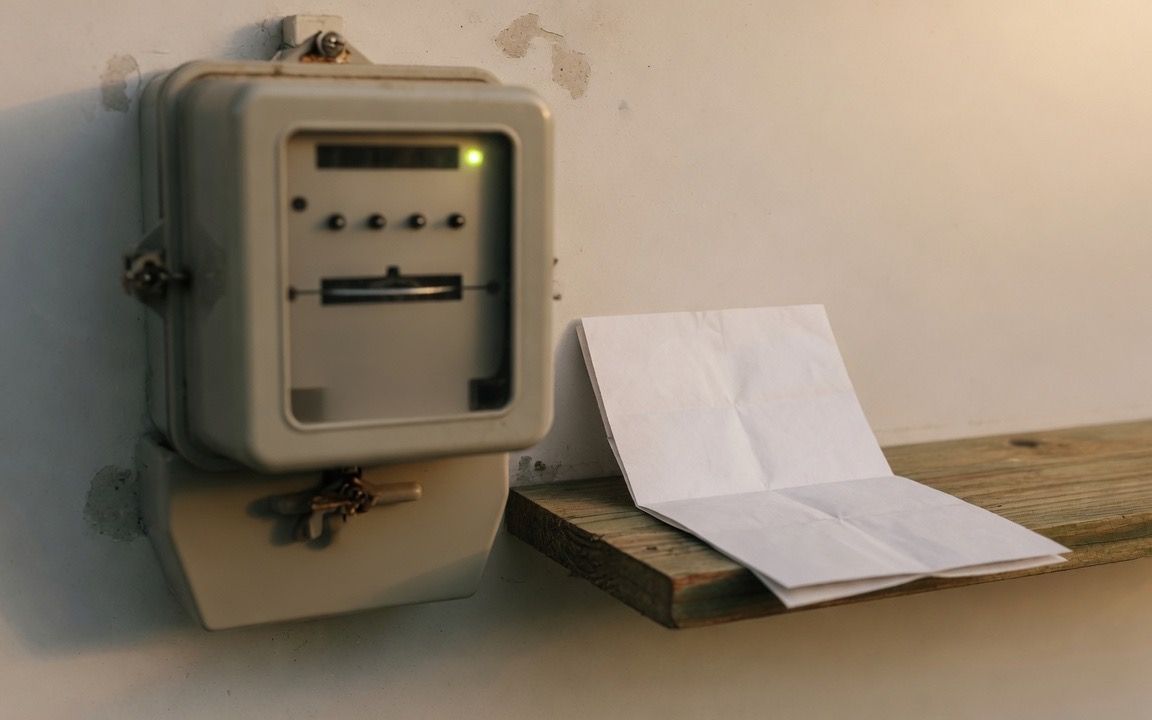
- Show where the energy comes from: your unit's meter.
- If other residents are interested, propose a joint project.
Is a residents' meeting needed?
It depends on the condominium's bylaws and on what the installation changes in the common areas. Ask the building manager and, if needed, a lawyer before starting the work.
4. Installation
How long the work takes depends on the distance and the cable route. The components are:
- Wall charger (wallbox): mounted near the space.
- Cables: sized by the project.
- Protections: breaker and RCD in the unit's panel.
- Conduit or cable tray: for the cable route.
What goes into the cost
The cost changes with the charger power and with the distance between the space and the panel. Ask for a quote for each item:
| Item | What sets the price |
|---|---|
| Charger | The power and the model |
| Electrical project | How complex the installation is |
| Cables and materials | The distance and the cable route |
| Labor | The length of the work |
| Load increase | If the distributor requires it |
See the step by step for installing a charger at home. Home charging energy costs the kWh price on your electricity bill: see how much it costs to charge an electric car.
If you can't install at home
- 220 V outlet: if the garage has a suitable outlet, on its own circuit, it charges slowly and may be enough for those who drive little.
- Charging at work: some companies have chargers for employees.
- Charging where you stop: malls and parking lots with AC chargers.
- DC fast charging station: At Elektro Charge in Pinhais, the DC charger is 60 kW and a 20% to 80% charge takes about 40 minutes, according to the unit's data sheet.
Shared charger in the condominium
Another option is for the condominium to install shared chargers. In this model, the condominium builds the infrastructure, each resident's energy is measured and billed separately, and the charging spaces are shared. The rules for use and billing need to be agreed among the residents.
Tips to avoid conflict
- Inform first: tell the building manager and the neighbors before you start.
- Bring the documents: the project and the ART.
- Invite other residents: with more people interested, a shared project is easier.
- Hire a licensed professional: an amateur installation is dangerous.
- Keep everything: project, ART and your messages to the building manager.
While you don't have a charger at home
Elektro Charge in Pinhais is open 24 hours, with a 60 kW DC charger and a CCS2 connector. In Boqueirão, in Curitiba, the DC charger is also 60 kW and open 24 hours.
Elektro Charge charging stations
See on the map where the units are and plan your route.
See the points, hours and how to get there →