Electric Car Savings in the Long Run: A 5-Year Simulation
Everyone knows an electric car spends less on "fuel". But when you add IPVA, insurance, maintenance and depreciation to the math, is the result still positive? We ran the full simulation.
Simulation methodology
For a fair comparison, we defined two vehicles in the same market segment and an identical use profile:
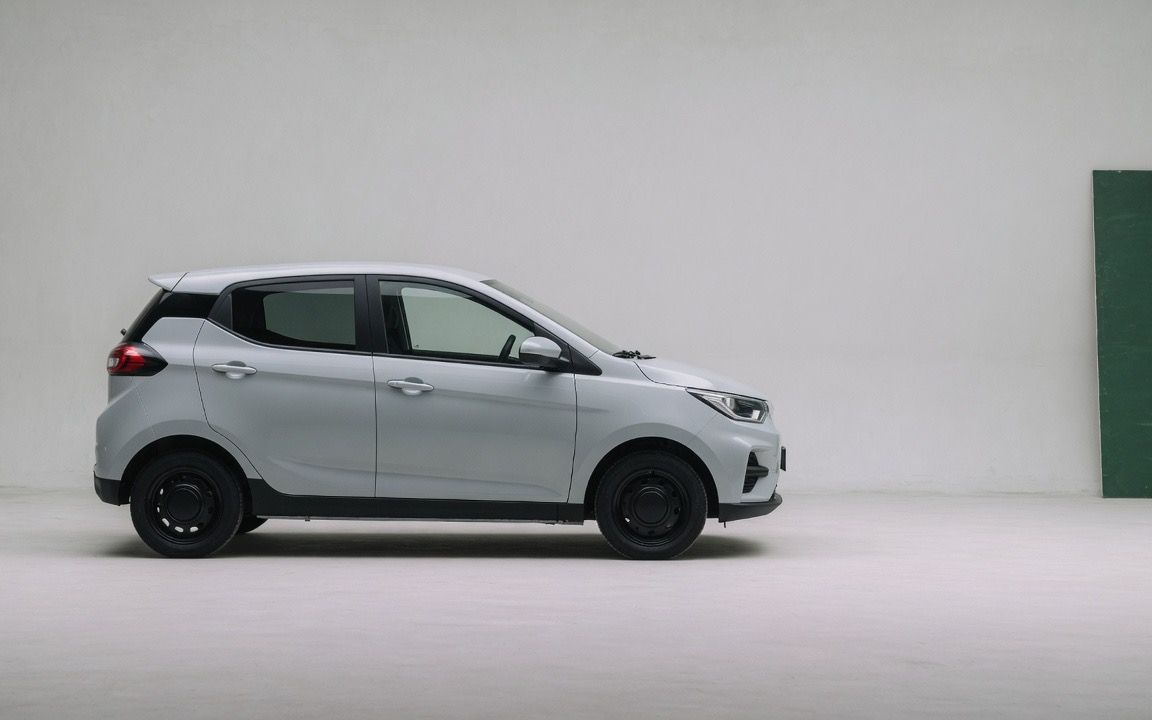
- Electric vehicle: BYD Dolphin (R$ 115,000 in April 2026)
- Combustion vehicle: VW Polo 1.0 TSI (R$ 95,000 in April 2026)
- Mileage: 1,500 km/month (18,000 km/year) — the Brazilian average
- Location: Curitiba/Pinhais, PR
- Period: 5 years (90,000 km total)
Year by year: the full simulation
Acquisition cost
| Item | VW Polo | BYD Dolphin |
|---|---|---|
| Vehicle price | R$ 95,000 | R$ 115,000 |
| Electrical installation (wallbox) | — | R$ 3,000 |
| Initial investment | R$ 95,000 | R$ 118,000 |
Initial difference: R$ 23,000 more for the electric. Now let's see how long it takes to recover.
Fuel / Energy (5 years)
| Item | VW Polo | BYD Dolphin |
|---|---|---|
| Average consumption | 12 km/l | 7.5 km/kWh |
| Fuel price | R$ 6.20/l | R$ 0.90/kWh (mixed) |
| Monthly cost | R$ 775 | R$ 180 |
| Cost over 5 years | R$ 46,500 | R$ 10,800 |
Fuel savings: R$ 35,700 over 5 years
On energy vs. gasoline alone, the BYD Dolphin saves R$ 595 per month. That figure alone pays off the car's price difference in under 3 years.
Maintenance (5 years)
| Item | VW Polo | BYD Dolphin |
|---|---|---|
| Scheduled services | R$ 8,500 | R$ 2,500 |
| Brakes (pads + discs) | R$ 2,400 | R$ 1,000 |
| Tires (2 sets) | R$ 3,200 | R$ 3,600 |
| Miscellaneous items | R$ 2,000 | R$ 800 |
| Total maintenance | R$ 16,100 | R$ 7,900 |
The EV's tires are slightly more expensive (because of the extra weight and torque), but every other maintenance item is drastically lower. No oil changes, no fuel filters, no spark plugs, no belt — the Dolphin's service list is minimal.
IPVA (5 years accumulated)
| Item | VW Polo | BYD Dolphin |
|---|---|---|
| Rate | 3.5% (PR) | Exempt (PR) |
| IPVA year 1 | R$ 3,325 | R$ 0 |
| IPVA accumulated over 5 years* | ~R$ 13,500 | R$ 0 |
*Considering the progressive depreciation of the IPVA calculation base.
Insurance (5 years accumulated)
| Item | VW Polo | BYD Dolphin |
|---|---|---|
| Average annual insurance | ~R$ 3,800 | ~R$ 4,500 |
| Insurance over 5 years | R$ 19,000 | R$ 22,500 |
The EV's insurance is more expensive — about R$ 3,500 more over 5 years. This happens because the repair cost (especially of the battery) is still high. As the market matures, this difference tends to shrink.
The big picture: TCO over 5 years
| Total cost (5 years) | VW Polo | BYD Dolphin |
|---|---|---|
| Vehicle + installation | R$ 95,000 | R$ 118,000 |
| Fuel / energy | R$ 46,500 | R$ 10,800 |
| Maintenance | R$ 16,100 | R$ 7,900 |
| IPVA | R$ 13,500 | R$ 0 |
| Insurance | R$ 19,000 | R$ 22,500 |
| TOTAL | R$ 190,100 | R$ 159,200 |
Result: R$ 30,900 in savings over 5 years
The BYD Dolphin costs R$ 30,900 less than the VW Polo over the 5-year period, even though it is R$ 20,000 more expensive to buy. That amounts to savings of R$ 515 per month.
What about depreciation?
This is the hardest variable to predict, but the available data is encouraging. The BYD Dolphin, as the best-selling EV in Brazil, has high liquidity in the used-car market. 2024 units with 30,000 km hold around 75-80% of their original value.
The VW Polo, by comparison, typically retains 65-70% of its value after 2 years. The combustion car's depreciation tends to accelerate as the market shifts to electrics.
"The electric car is more expensive at the dealership, but cheaper in real life. The price is what you pay; the cost is what you spend."
Alternative scenarios
If gasoline rises to R$ 7.50/l
The EV's savings jump to R$ 42,000 over 5 years. Given the historical upward trend of fossil fuels, this scenario is more likely than stability.
If you drive more (2,500 km/month)
The savings shoot up to R$ 52,000 over 5 years. The more you drive, the more the EV pays off — which is why app drivers benefit the most.
If energy rises 30%
Even with a 30% increase in the cost of electricity, the savings would still be R$ 26,000 over 5 years. The margin is far too large to be wiped out.
The break-even point
In our base simulation (1,500 km/month, April 2026 prices), the break-even point — when the EV's total cost ties with the combustion car's — happens in month 29, that is, before reaching two and a half years.
After that, every month is profit. And the advantage only grows over time, because the fixed costs (fuel, maintenance, IPVA) keep weighing on the combustion car while the EV stays economical.
Financing: does the math still add up?
Yes. Even financing the full amount, the monthly savings on fuel and maintenance (~R$ 700/month) can cover a good part of the extra financing installment. In many cases, the net installment (financing installment − operating savings) ends up equal to or lower than that of the combustion car.
Where to charge in Curitiba
The EV's savings depend on access to charging. Curitiba and its metropolitan region have 445 charging stations, including 125 fast ones (DC). Elektro Charge, on Av. Maringá in Pinhais, offers 60 kW DC with a CCS2 connector, 24 hours a day — ideal for quick charges on the way.
With more than 6,400 electric vehicles in the region, the infrastructure grows month by month. And home charging, which accounts for 80-90% of use, depends only on a suitable 220V outlet.
"The question is no longer whether the electric car pays off. It's how much longer you'll keep paying more for gasoline."
Conclusion
The simulation is clear: over 5 years, the electric car saves more than R$ 30,000 compared with an equivalent combustion vehicle — even while costing more to buy. The break-even point arrives before 3 years, and from then on the savings are continuous and growing.
For those who drive the Brazilian average of 1,500 km/month, switching from gasoline to electric is one of the best financial decisions you can make in 2026.
For charging away from home, see the step by step to charge at an Elektro Charge point and the Pinhais charging station, on Av. Maringá, open 24h.
Charging that fits the budget
60 kW DC, CCS2, 24h. Optimize your savings with fast charging in Pinhais.
View on Google Maps →