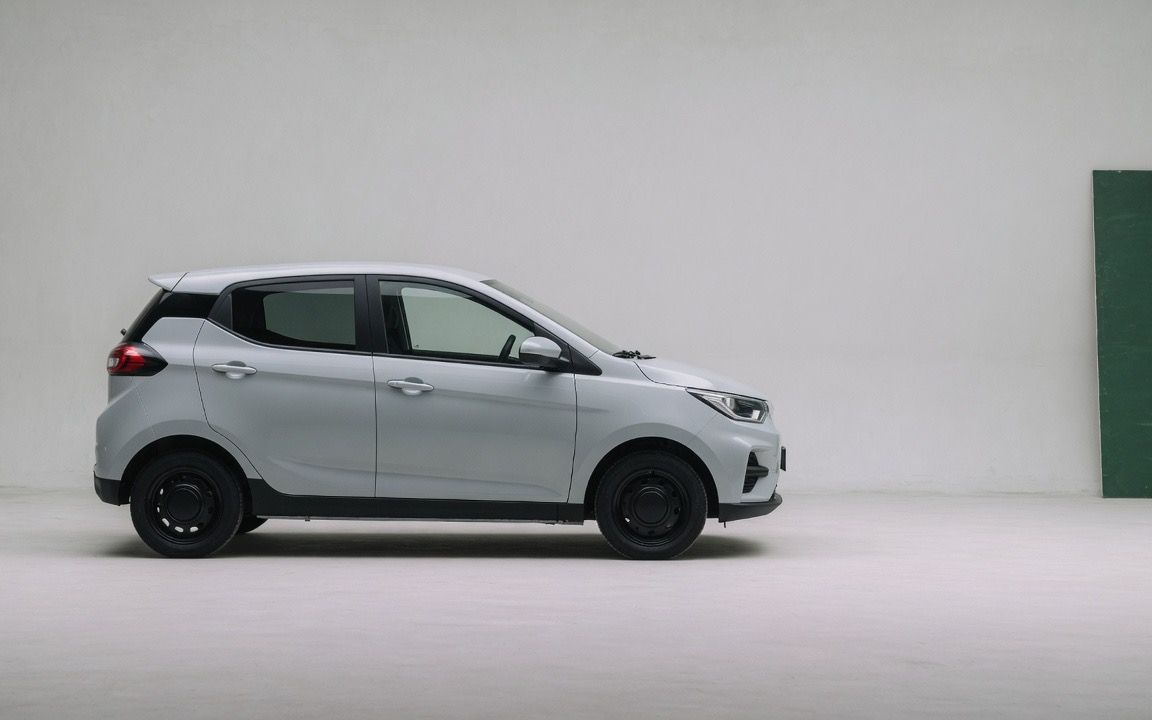
BYD Dolphin vs Dolphin Mini: Which to Choose in 2026
The short answer
The Dolphin Mini is an urban compact with a 38 kWh battery, a real range of 220 to 250 km in the city, 75 cv and fast charging of up to 40 kW. The Dolphin is a mid-size hatchback with a 44.9 kWh battery, a real range of 300 to 340 km, 150 cv, fast charging of up to 60 kW and a larger trunk (345 liters against 210 liters) — the difference in charging time between the two is only about 5 minutes.
If you drive up to 100 km a day in the city and want the lowest entry price, the Dolphin Mini is the answer. If you drive more than 120 km/day, travel often or need a larger trunk, the Dolphin is the right choice.
| Specification | Dolphin Mini | Dolphin |
|---|---|---|
| Battery | 38 kWh (LFP) | 44.9 kWh (LFP) |
| PBEV/INMETRO range (WLTP) | 280 km | 400 km |
| Real range (city) | 220-250 km | 300-340 km |
| Maximum DC charging power | 40 kW | 60 kW |
| 20% → 80% on a 60 kW DC charger | ~30 min | ~25 min |
| Trunk | 210 liters | 345 liters |
| Seats | consult the dealership | consult the dealership |
| List price (Apr/2026) | ~R$ 75,000 | ~R$ 115,000 |
The BYD Dolphin is the best-selling electric car in Brazil. The Dolphin Mini is the most affordable. The two share the name, but they are quite different vehicles. Which is the right one for you?
Quick answer
The difference between the BYD Dolphin and the Dolphin Mini is in size, range and power. The Dolphin Mini is an urban compact: 280 km of WLTP range (220 to 250 real km in the city), 75 cv and fast charging of up to 40 kW. The Dolphin is a mid-size hatchback: 400 km WLTP (300 to 340 real km), 150 cv and fast charging of up to 60 kW, for about R$ 40,000 more. Both use the same charging connector, the CCS2.
Overview: two cars, two propositions
Before diving into the numbers, it is important to understand that the Dolphin and Dolphin Mini are not versions of the same car. They are different platforms, with different sizes, different batteries and different audiences.
The Dolphin is a mid-size hatchback, a direct competitor of the VW Polo, Chevrolet Onix and Hyundai HB20. It is a car for the family, with a generous trunk and range for trips.
The Dolphin Mini is an urban compact, in the category of the Fiat Mobi and Renault Kwid. It is designed for those who make short trips in the city, seek maximum savings and want a practical second car.
Complete technical comparison
| Specification | Dolphin Mini | Dolphin |
|---|---|---|
| Price (Apr/2026) | ~R$ 75,000 | ~R$ 115,000 |
| Battery | 38 kWh (LFP) | 44.9 kWh (LFP) |
| WLTP range | 280 km | 400 km |
| Real range (city) | 220-250 km | 300-340 km |
| Power | 75 cv | 150 cv |
| 0-100 km/h | ~12 s | ~7 s |
| Maximum DC charging | 40 kW | 60 kW |
| 20% → 80% DC | ~30 min | ~25 min |
| Trunk | 210 liters | 345 liters |
| Length | 3.78 m | 4.29 m |
| Doors | 5 doors | 5 doors |
| Connector | CCS2 | CCS2 |
Price: the R$ 40,000 difference
With a starting price of about R$ 75,000, the Dolphin Mini is the cheapest electric car in Brazil — and cheaper than many popular combustion cars. It is a milestone for electrification in the country.
The Dolphin, starting at R$ 115,000, costs more, but delivers significantly more: more power, more range, more space, more onboard technology (including a rotating screen, 360° camera and a premium sound system in higher trims).
"The question is not which is better — it is which fits your routine and your budget better."
Range: how much do you drive per day?
If your daily routine is up to 80 km (home-work-school-market), the Dolphin Mini covers the whole week on one charge. You charge on Sunday night and you are set.
If you drive more than 120 km/day, make frequent trips to the coast or interior, or want the freedom of not thinking about charging for 3-4 days, the Dolphin is the more comfortable choice.
Typical scenario in Curitiba
The average daily commute in Curitiba and its metropolitan region is 35-50 km. In this scenario, both models have plenty to spare. The Dolphin Mini covers 5-6 days on one charge; the Dolphin, 7-9 days. The difference day to day is minimal.
Performance: city vs. highway
In the city, both are excellent. The instant torque of the electric motor makes either of them feel agile on traffic-light starts and urban overtakes.
On the highway, the difference shows. The Dolphin, with 150 cv, overtakes with confidence on highways and holds speed on climbs effortlessly. The Dolphin Mini, with 75 cv, does the job, but requires more planning on long overtakes.
If you use the BR-116, BR-277 or the Rodovia dos Minérios often, the Dolphin offers a safer and more comfortable experience at highway speeds.
Interior space and practicality
The Dolphin is a car for the family. The rear seat comfortably accommodates two adults (three on short trips), and the 345-liter trunk is equivalent to that of a mid-size sedan. A family trip to Guaratuba? No problem.
The Dolphin Mini is a car for 2-3 people day to day. The rear seat exists, but it is tight for adults on long trips. The 210-liter trunk is enough for grocery shopping, but not for a family trip with suitcases.
Charging: both use CCS2
Both models use the CCS2 connector, the standard in Brazil for fast DC charging. At Elektro Charge, in Pinhais, with a 60 kW charger:
- Dolphin Mini: accepts up to 40 kW DC. Charges from 20% to 80% in approximately 30 minutes.
- Dolphin: accepts up to 60 kW DC. Charges from 20% to 80% in approximately 25 minutes.
The practical difference is small — 5 minutes. In both cases, it is enough time to have a coffee or answer emails.
Monthly cost of use
Considering 1,500 km/month (the Brazilian average) with mixed charging (70% residential, 30% charging station):
| Cost | Dolphin Mini | Dolphin |
|---|---|---|
| Energy/month | ~R$ 250 | ~R$ 220 |
| Annual insurance (÷12) | ~R$ 280 | ~R$ 380 |
| IPVA (÷12) | Exempt (PR) | Exempt (PR) |
| Maintenance (÷12) | ~R$ 30 | ~R$ 35 |
| Total/month | ~R$ 560 | ~R$ 635 |
The monthly difference in use is small — about R$ 75. The big differentiator is in the purchase price.
Who each one is ideal for
Choose the Dolphin Mini if:
- Your budget is up to R$ 80,000
- You drive mostly in the city (up to 100 km/day)
- It is your second car or a solo car (no large family)
- Parking in tight spaces is a reality (3.78 m is genuinely compact)
- You want the lowest possible total cost
Choose the Dolphin if:
- You need a car for the whole family
- You make regular trips of more than 200 km
- You want highway performance without compromises
- You need a trunk for suitcases, big shopping or equipment
- You will use it as a rideshare car (Uber, 99) — the range and power make a difference
"The Dolphin Mini is the best first electric car in Brazil for the price. The Dolphin is the best electric car in Brazil for the overall package."
Fast charging for both in Pinhais
Regardless of your choice, Elektro Charge on Av. Maringá, Pinhais, serves both models with 60 kW DC and a CCS2 connector, 24 hours a day. Curitiba and its metropolitan region already have more than 6,400 electric vehicles — and the infrastructure keeps pace with the growth.
Frequently asked questions
BYD Dolphin vs Dolphin Mini
The Dolphin is a mid-size hatchback with 400 km WLTP, 150 cv and a 345-liter trunk, starting at R$ 115,000. The Dolphin Mini is an urban compact with 280 km WLTP, 75 cv and a 210-liter trunk, starting at R$ 75,000. Both use the CCS2 connector and charge at the same charging station.
BYD Dolphin vs Mini
The Dolphin costs about R$ 40,000 more than the Dolphin Mini, but delivers more range (400 km WLTP against 280 km), more power (150 cv against 75 cv) and a larger trunk (345 liters against 210 liters). The Mini makes up for it with the lowest entry price in the Brazilian electric market.
Dolphin vs Dolphin Mini: what is the practical difference?
They are different platforms: the Dolphin is a mid-size hatchback, the Dolphin Mini is an urban compact. In practice, the Dolphin Mini handles routines of up to 100 km/day at a lower cost; the Dolphin is the choice for road trips, more people in the car and more power.
Dolphin Mini or Dolphin: which to choose?
Go with the Dolphin Mini if use is urban, the car is a solo or second car of the household, and the budget is up to R$ 80,000. Go with the Dolphin if you drive more than 120 km/day, travel often or need a trunk for the family.
Is the BYD Dolphin Mini worth it?
Yes, for urban use: it is the cheapest electric car in Brazil, with 220 to 250 km of real range in the city and fast charging in about 30 minutes. It is not worth it as a sole car for those who make frequent road trips or drive more than 100 km/day.
Does the Dolphin Mini charge at a fast charger?
Yes, the Dolphin Mini accepts fast DC charging of up to 40 kW through the CCS2 connector, the standard of most public charging stations in Brazil, including the Elektro Charge unit in Pinhais.
BYD Dolphin vs Dolphin Mini: and the price?
The Dolphin Mini starts at approximately R$ 75,000 and the Dolphin at approximately R$ 115,000 — a difference of about R$ 40,000. In the monthly cost of use the difference is small, about R$ 75, since the Dolphin Mini uses a little more energy from driving more in the city.
BYD Dolphin Mini or Dolphin Plus?
The Dolphin Plus is a different model from the Dolphin and the Dolphin Mini compared in this article, with distinct positioning in the BYD lineup. For the choice between the Dolphin and the Dolphin Mini, consult the dealership about the Plus and use the comparison above as a reference for the two models this text covers.
Frequently asked questions
What is the difference between the BYD Dolphin and the Dolphin Mini?
The Dolphin Mini is an urban compact with 280 km of WLTP range, 75 cv and fast charging of up to 40 kW. The Dolphin is a mid-size hatchback with 400 km WLTP, 150 cv and fast charging of up to 60 kW, costing about R$ 40,000 more. Both use the CCS2 connector.
BYD Dolphin or Dolphin Mini: which to choose?
Choose the Dolphin Mini if your trips are urban and short and the goal is the lowest possible cost. Choose the Dolphin if you need a larger trunk, make road trips or want performance: it is 150 cv against 75 cv, and 0 to 100 km/h in about 7 seconds against 12 seconds.
What is the real range of the BYD Dolphin and the Dolphin Mini?
In the city, the Dolphin Mini does 220 to 250 real km, against 280 km declared in the WLTP cycle. The Dolphin does 300 to 340 real km, against 400 km WLTP. Real range varies with driving style, air conditioning use and traffic.
Does the Dolphin Mini accept a fast charger?
Yes. The Dolphin Mini accepts fast direct-current charging of up to 40 kW, and the Dolphin up to 60 kW, both through the CCS2 connector. Both charge at any public charging station with this standard, including the Elektro Charge unit in Pinhais.
Do the two models use the same charging connector?
Yes, both use CCS2, the standard of most electric cars sold in Brazil. The difference is in the maximum power each one accepts: up to 40 kW on the Dolphin Mini and up to 60 kW on the Dolphin.