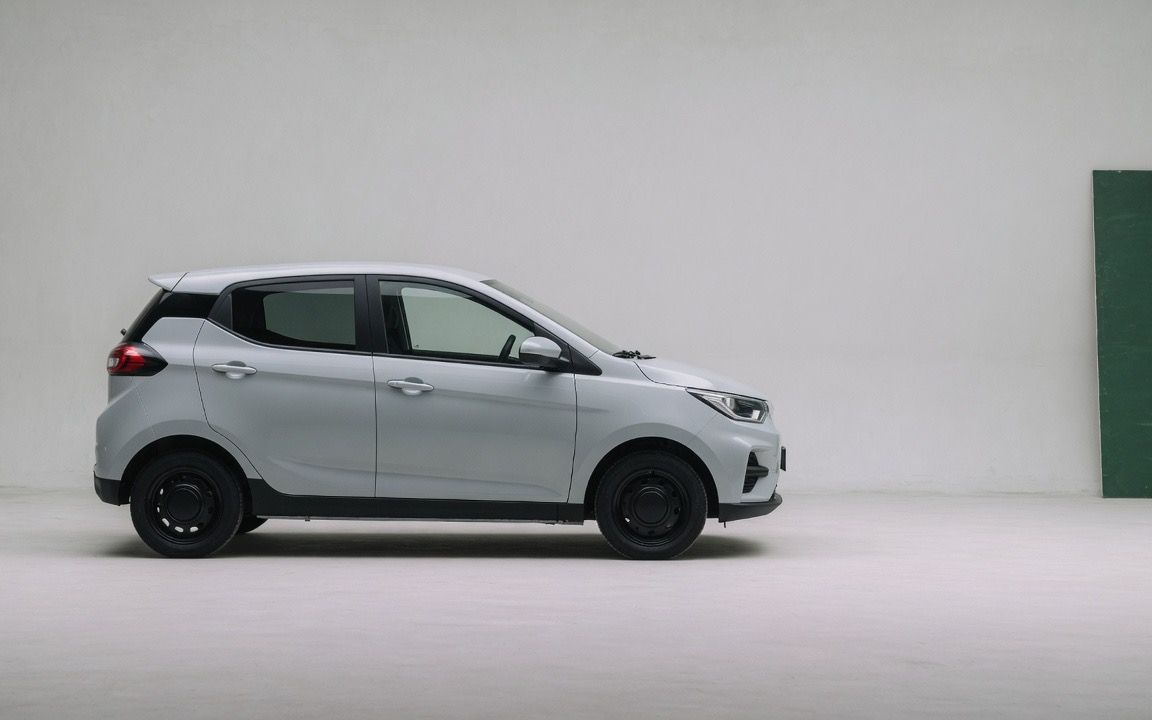
Is an electric car cheaper than gasoline? Do the math
The short answer
It depends on the kWh price you pay and on how much you drive. The math compares the cost per kilometer: the electric car's kWh per km times the kWh price, against the gasoline car's liters per km times the liter price. On maintenance, the electric car has no oil changes, spark plugs or clutch.
Is an electric car really cheaper to run? See what goes into the math of cost per km, maintenance and cost over the years, in the city and on the highway.
The fair comparison: same category, real use
For the comparison to make sense, compare cars of the same size and use bracket:
- Electric car: an electric compact, like the BYD Dolphin
- Gasoline car: a compact hatchback in the same category
- Flex car (ethanol): the same hatchback, running on ethanol
Use the prices you pay today in your city, because they change over time and from one place to another.
Energy cost vs. fuel cost
Let's start with the most obvious cost: what you spend to move the car.
- Gasoline or ethanol: the price per liter divided by the car's consumption, in km per liter.
- Electric at home: the kWh price on your electricity bill divided by the car's consumption, in km per kWh.
- Electric at a charging station: the kWh price charged at the charger divided by the same consumption.
The result is each one's cost per km. If you charge at home and at charging stations, do the math for both.
Your scenario
If you charge partly at home and partly at charging stations, use the average: each one's cost per km, in the proportion you use each one.
Maintenance cost: where the electric pulls ahead
On maintenance, the electric car has fewer replacement items than the combustion car:
- Oil change: the gasoline car has it; the electric does not.
- Filters: the gasoline car replaces oil, air and fuel filters; the electric, only the air filter.
- Timing belt: the gasoline car has it; the electric does not.
- Brake pads: both replace them; in the electric, regenerative braking reduces wear.
- Spark plugs and coils: the gasoline car has them; the electric does not.
- Clutch: the gasoline car has it; the electric does not.
- General service: both need it.
To compare, add up what each car spends per year on these items, at the prices of the shop you use.
IPVA in Paraná
In 2026, electric cars pay IPVA in Paraná, at the general rate of 1.9% of the market value (Paraná State Finance Department, January 7, 2026). See IPVA on electric cars in Paraná.
TCO over 5 years: the math that matters
The electric car's purchase price is still higher. To see the total cost, add up over 5 years what goes into each car's math:
- Fuel or energy: the cost per km times the kilometers you drive.
- Maintenance: the replacement items in the maintenance section.
- Insurance: the quote for each model.
An electric car costs more to buy. To compare, add up everything you spend on the car over the years, on top of the purchase price.
And depreciation?
It is the hardest item to predict. To estimate it, check in the Fipe table what the same model is worth today at the age yours will be at resale, and do the same for the gasoline car.
Highway scenario: long trips
On trips, you rely more on public charging stations. The math uses the cost per km at the charging station and two more figures:
- Trip distance: how many kilometers you will drive.
- Charging stops: how many charging station stops your car's range calls for.
With planning, charging time becomes rest time: lunch, coffee, stretching your legs.
Conclusion: when the electric pays off most
Once you do the math with your own numbers, the electric pays for itself faster when:
- You drive a lot (the more you drive, the more you save)
- You plan to keep the car for several years (the total cost offsets the purchase difference)
Elektro Charge charging stations
See on the map where the units are and plan your route.
See the points, hours and how to get there →