Charging the BYD Dolphin: Time, Cost and Best Practices
The short answer
From 10% to 80%, the BYD Dolphin takes about 30 minutes on a 60 kW DC charger, the maximum it accepts in direct current, and about 4h30 on a 7 kW wallbox. The battery is LFP, 44.9 kWh, and accepts a 100% charge without concern.
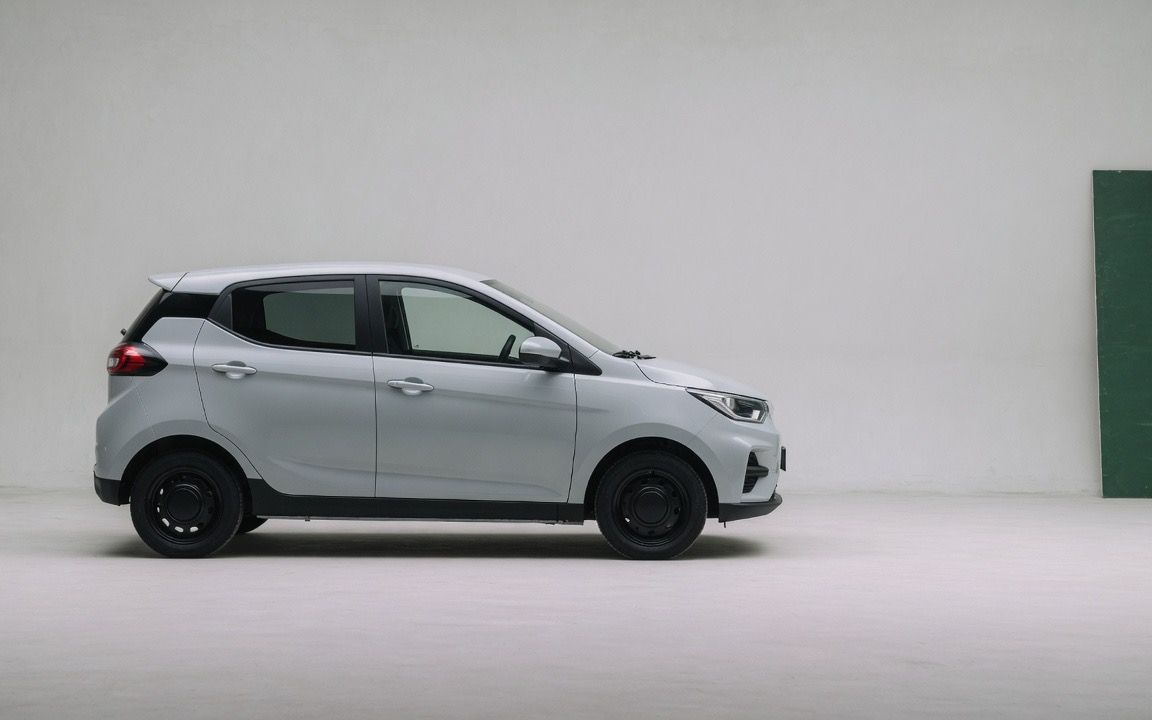
The BYD Dolphin is the best-selling electric car in Brazil in 2026. If you already have one or are thinking of buying one, this complete guide covers everything about charging: times at different power levels, real costs, tips to preserve the battery and where to charge in Curitiba and the region.
BYD Dolphin battery specifications
Before talking about charging times, it is essential to know the battery that equips the Dolphin sold in Brazil:
- Capacity: 44.9 kWh (usable)
- Type: LFP (Lithium Iron Phosphate) — BYD's Blade Battery
- WLTP range: up to 340 km
- Real range (city): 280–320 km
- Real range (highway): 240–280 km
- Connector: CCS2
- Maximum DC charging power: 60 kW
- Maximum AC charging power: 7 kW (single-phase)
BYD's LFP Blade battery is known for its durability and safety. Unlike traditional NMC batteries, LFP accepts 100% charges without significant degradation, which greatly simplifies the charging routine.
Charging time in each scenario
The charging time varies drastically depending on the energy source. Here are the most common scenarios for the BYD Dolphin:
| Source | Power | 10% → 80% | 0% → 100% |
|---|---|---|---|
| 220V/10A outlet | 2.2 kW | ~14 hours | ~20 hours |
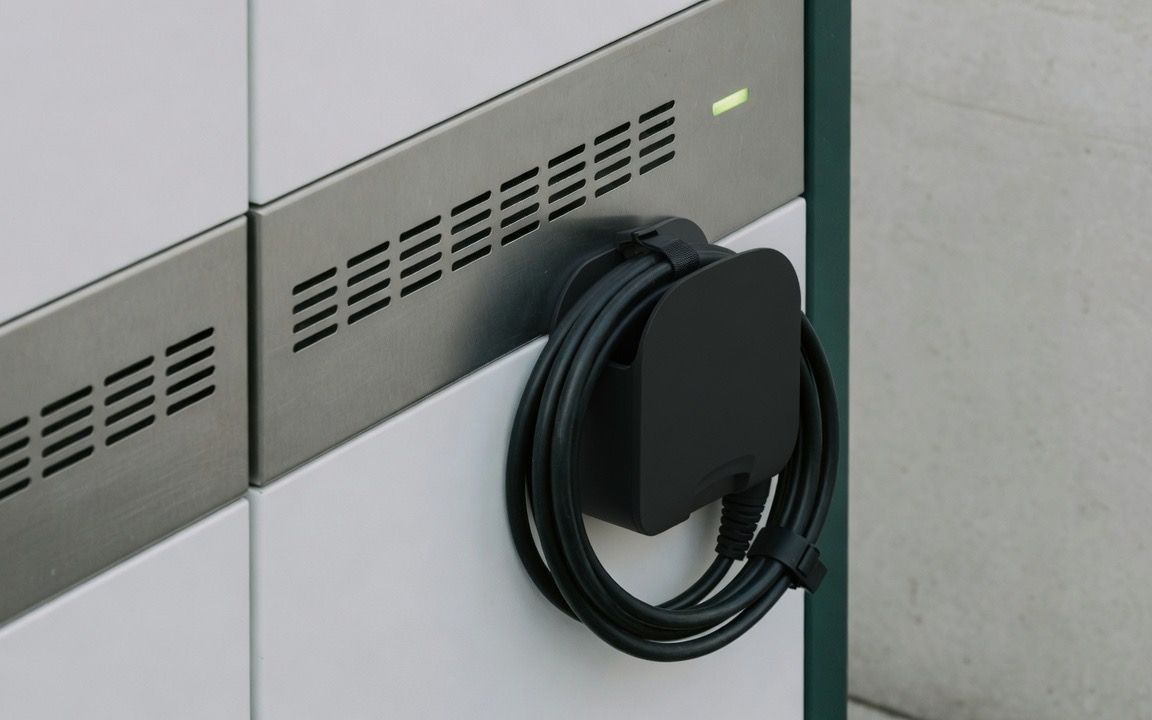
| 7 kW wallbox | 7 kW | ~4h30 | ~6h30 |
| 22 kW AC charging station | 7 kW* | ~4h30 | ~6h30 |
| 60 kW DC charging station | 60 kW | ~30 min | ~55 min |
* The Dolphin accepts at most 7 kW on AC, even on 22 kW chargers. To take advantage of higher power, you need to use DC charging.
In practice, most Dolphin owners charge at home overnight with a 7 kW wallbox and use DC fast charging only for trips or when they need an urgent charge.
How much does it cost to charge the BYD Dolphin?
The charging cost depends on the source and the rate. Here is an estimate for Curitiba in April 2026, considering a charge from 10% to 80% (approximately 31 kWh):
- At home (residential rate ~R$ 0.75/kWh): R$ 23.25
- At home (overnight rate ~R$ 0.50/kWh): R$ 15.50
- Public AC charging station (~R$ 1.20/kWh): R$ 37.20
- DC fast charging station (~R$ 1.80/kWh): R$ 55.80
To put it in perspective: with R$ 55 of fast charging, you gain approximately 240 km of range. An equivalent gasoline car (like a Polo 1.0 TSI) would spend about R$ 130 to cover the same distance. The savings are more than 55%, even in the most expensive charging scenario.
Cost per kilometer
BYD Dolphin (home): R$ 0.07 to R$ 0.10/km
BYD Dolphin (DC charging station): R$ 0.18 to R$ 0.23/km
Equivalent gasoline car: R$ 0.45 to R$ 0.55/km
Even on the most expensive charge, the Dolphin costs less than half of a combustion car.
Charging curve: why does the speed drop?
If you have already charged your Dolphin at a DC charging station, you must have noticed that the speed is not constant. This is normal and intentional. The so-called "charging curve" works like this:
- 0% to 30%: maximum power (~60 kW) — fastest
- 30% to 60%: high power (~50-55 kW) — still very fast
- 60% to 80%: power starts to drop (~35-45 kW)
- 80% to 100%: significant reduction (~15-25 kW) — much slower
That is why the recommendation for fast charging is to stop at 80%. The last 20% can take almost as long as the previous 70%. For trips, it is more efficient to make two short stops to 80% than one long one to 100%.
Best practices for the Dolphin
Daily routine
For urban use in Curitiba and the metropolitan area, a 7 kW wallbox at home is the perfect combination with the Dolphin. The real range of 280-320 km in the city means that most people charge every 2-3 days, even without charging to 100%.
- Install a 7 kW wallbox in your garage space
- With an LFP battery, you can charge to 100% without concern
- Schedule charging for the overnight rate period (if available)
- Keep the habit of plugging in when you get home
Long trips
For trips around Paraná — such as Curitiba to the coast (100 km), Londrina (380 km) or Foz do Iguaçu (640 km) — plan your stops at DC charging stations:
- Leave with a 100% charge
- Plan stops at DC charging stations every 200-250 km
- Charge to 80% at each stop (30 minutes on the Dolphin)
- Use apps like Tupinambá or PlugShare to locate charging stations on the route
Where to charge the BYD Dolphin in Pinhais and Curitiba
The Curitiba metropolitan area has one of the best charging infrastructures in Brazil, with about 445 charging points. For DC fast charging — what makes a real difference on the Dolphin — there are 125 points available.
In Pinhais, Elektro Charge on Av. Maringá offers exactly the power the Dolphin accepts at most: 60 kW DC with a CCS2 connector. That means you take advantage of 100% of your car's fast charging capacity, without paying for power it does not use.
And while the 30 minutes of charging go by, you have access to restaurants and cuisine nearby. It is the concept of the charging experience: instead of dead time, time well spent.
The BYD Dolphin accepts at most 60 kW on DC. Charging at a 60 kW charging station means making the most of the car's full potential — with no waste.
Conclusion
The BYD Dolphin is a car designed for real Brazilian life. Its LFP battery is durable, the 280-320 km of city range serves the vast majority of drivers, and the charging times are absolutely manageable — especially with a wallbox at home and access to fast charging stations for the occasions that call for speed.
With energy costs that come to less than half those of a combustion car, the Dolphin is not just a car with environmental appeal — it is a financially smart choice that pays for itself over time.
Not sure whether the Dolphin is the right model for your usage profile? See the full comparison Dolphin vs Dolphin Mini with real range, charging times and monthly cost side by side.
Charge your Dolphin at Elektro Charge
60 kW DC, CCS2, 24 hours. The perfect power for your Dolphin's maximum, with cuisine while you wait.
View on Google Maps →Frequently asked questions
Does a 22 kW AC charger speed up the Dolphin's charge?
No. The Dolphin accepts at most 7 kW on AC, so a 22 kW charger does not reduce the charging time. To take advantage of higher power you need to use DC charging, where the car's limit is 60 kW. At home, a 7 kW wallbox already delivers the maximum.
How long does it take on a standard outlet?
On a 220 V, 10 A outlet, 2.2 kW, charging from 10% to 80% takes about 14 hours, and from 0% to 100% about 20 hours. That is why a 7 kW wallbox in the garage is the recommended combination for urban use.
What is the Dolphin's DC charging curve like?
From 0% to 30%, the car receives maximum power, about 60 kW. From 30% to 60%, about 50 to 55 kW; from 60% to 80%, 35 to 45 kW; and from 80% to 100%, only 15 to 25 kW. That is why the recommendation on fast charging is to stop at 80%.
What is the Dolphin's real range?
The WLTP range is up to 340 km. The real one is between 280 and 320 km in the city and between 240 and 280 km on the highway, which is why most owners charge every 2 or 3 days, even without reaching 100%.
Where can I fast-charge the Dolphin near Curitiba?
In Pinhais, Elektro Charge, at Av. Maringá, 2729, has 60 kW DC with CCS2, exactly the maximum the Dolphin accepts on DC, and opens 24 hours, every day. Check each unit's page for the updated data.